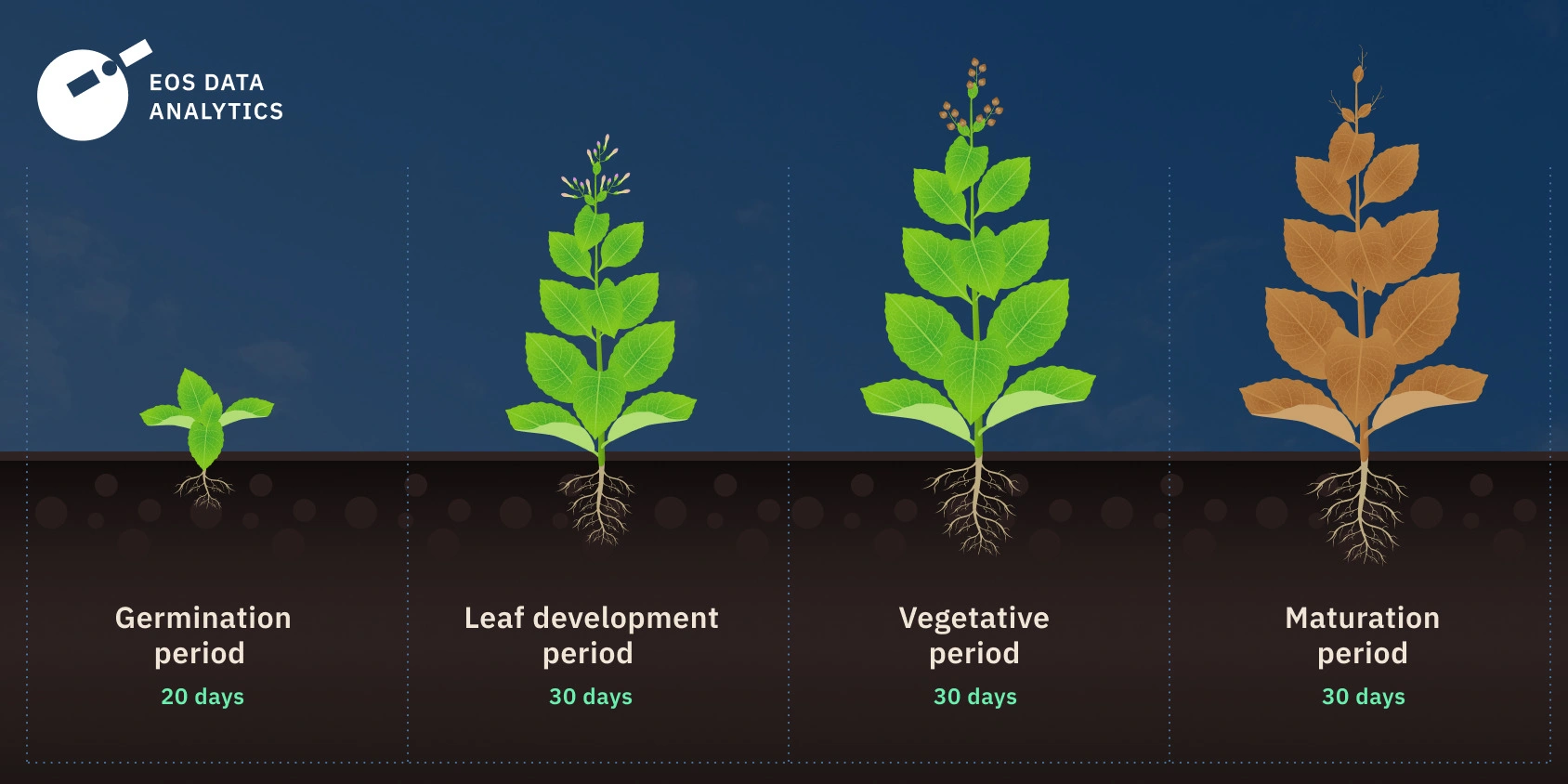
Application: Use of Ti plasmid of Agrobacterium tumefaciens to introduce glyphosate resistance into soybean crops Agrobacterium tumefaciens is a pathogenic bacteria that induces tumors (called crown galls) in certain species of plant The bacterium inserts a tumor-inducing (Ti) plasmid into plant cells, which then integrates its DNA into the plant genome Scientists have used Agrobacterium tumefaciens as a vector to introduce glyphosate resistance into soybean crops Glyphosate is a herbicide that competitively inhibits a plant enzyme (EPSPS) responsible for the synthesis of amino acids Scientists have modified the Ti plasmid to include a gene coding for glyphosate resistance When soybean crops are infected with transgenic Agrobacterium tumefaciens , a glyphosate-resistant crown gall develops When the gall tissue is later cultured into independent plants, all cultured plants will carry the gene for glyphosate resistance This means farmers can spray glyphosate on crops to kill competing weeds without harming the transgenic soybean plants Development of Glyphosate-Resistant Soybean Crops Application: Genetic modification of tobacco mosaic virus to allow bulk production of hepatitis B vaccine in tobacco plants Hepatitis B is a liver disease in humans caused by a virus (HBV) however infection can be prevented by vaccination Vaccination involves introducing antigenic fragments to the immune system in order to develop specific memory cells The tobacco mosaic virus infects the tissue of tobacco plants and incorporates its viral genetic material into the plant genome The tobacco mosaic virus can be genetically engineered to include genes encoding the antigenic fragments of HBV Transgenic tobacco plants will produce the HBV antigens, which can be extracted and purified to produce a vaccine in bulk Bulk Production of Hepatitis B Vaccine in Tobacco Plants Application: Production of Amflora potato (Solanum tuberosum) for paper and adhesive industries Potatoes contain two forms of starch a branched form (amylopectin = 80%) and an unbranched form (amylose = 20%) Amylopectin is responsible for the useful industrial properties of starch (adhesives, textiles, paper, etc.) Amylose forms a gel which makes potato starch less stable and more difficult to use for industrial purposes Amflora potatoes have been genetically modified to only produce amylopectin by inhibiting the amylose-producing enzyme Amflora potatoes possess an antisense copy of the gene responsible for amylose production This antisense gene synthesises a complementary mRNA sequence that binds to the normal mRNA sequence Consequently, the gene responsible for amylose production is not translated and the potato only produces amylopectin Starch Production in Normal Potatoes versus Amflora Potatoes

On June 23, 2022, the FDA issued a marketing denial order
Monster Vape Labs (MVL) were established in 2016, Orlando USA
Psychiatry 63 (1), 3137
Product Details Look like you eat caviar for every breakfast when you carry this exclusive Plastic Giant Cigarette Holder Costume Prop
Web 47 smoke tattoos for men